
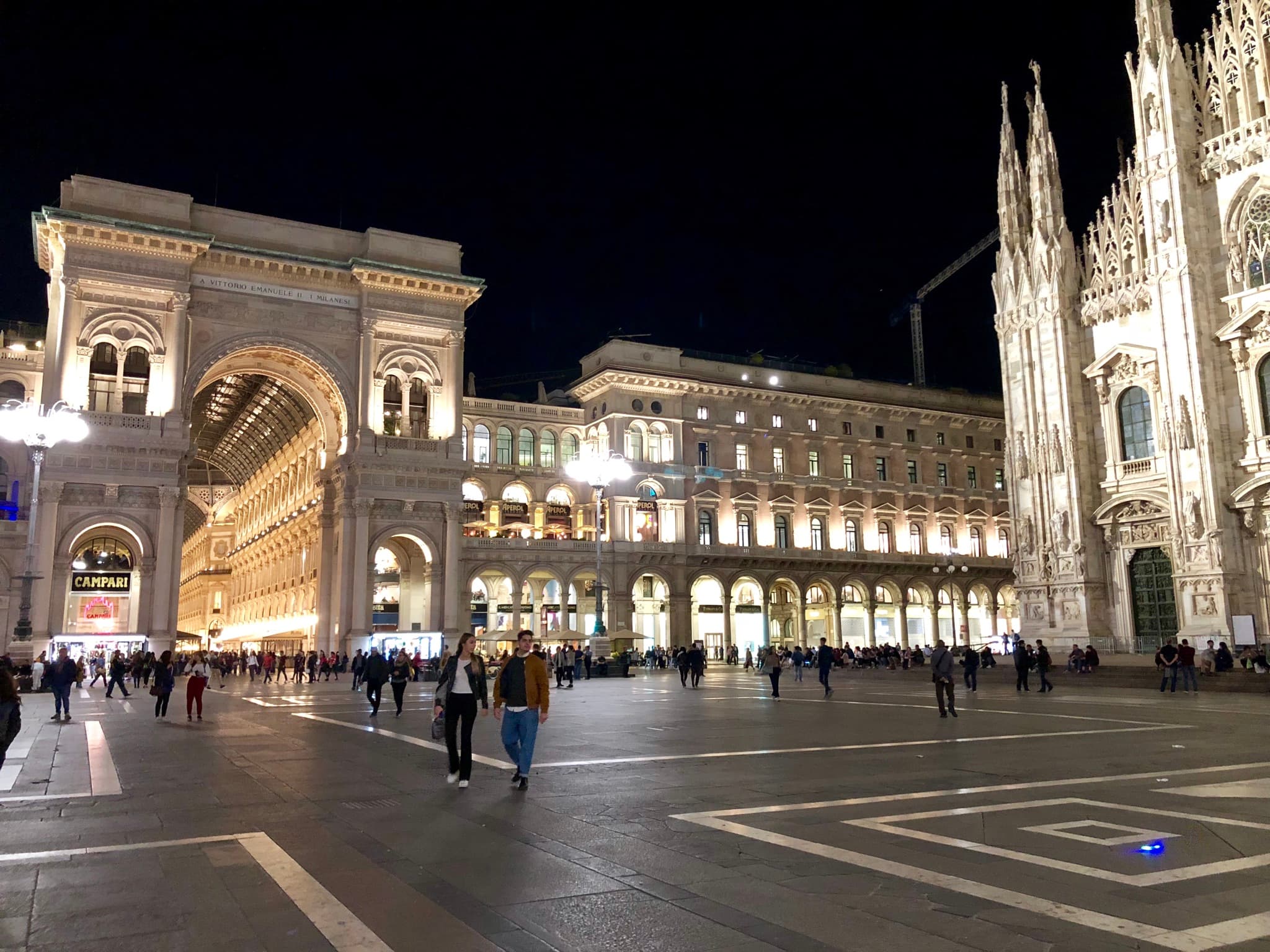
Milan.
Design, fashion, music, theatre. The city where the brand lives and works every day.
Milan is one of Italy’s economic and cultural powerhouses, renowned for its design, finance, music, and theatre. Across Europe, it is regarded as a leading hub of innovation and style, with deep roots in art and contemporary architecture. In the world of fashion, Milan is synonymous with elegance and quality. The city hosts iconic fashion shows, prestigious showrooms, and highly skilled artisans, making it a global centre for creativity and emerging trends, with a lasting influence on international style and taste.
Milan Cathedral
“The church dedicated to Santa Maria Nascente, built at the behest of Gian Galeazzo Visconti, is the symbol of the city and one of the first sights to see upon arriving in Milan.
Construction of Milan Cathedral began in 1386, resulting in a magnificent monument featuring stunning stained-glass windows and beautiful sculpted decorations.”
The Quadrilatero della Moda
In the heart of Milan, the Quadrilatero della Moda is an elegant constellation of streets where luxury boutiques, historic ateliers, refined palaces and dazzling storefronts create a timeless atmosphere. Walking along Via Monte Napoleone, Via della Spiga, Via Sant’Andrea and the surrounding lanes, you feel a distinctive energy—impeccable craftsmanship and style always looking forward. Here, the great names of Made in Italy present collections that shape global trends, attracting visitors, buyers, and creatives from around the world in a vibrant portrait of Milanese excellence and creativity.
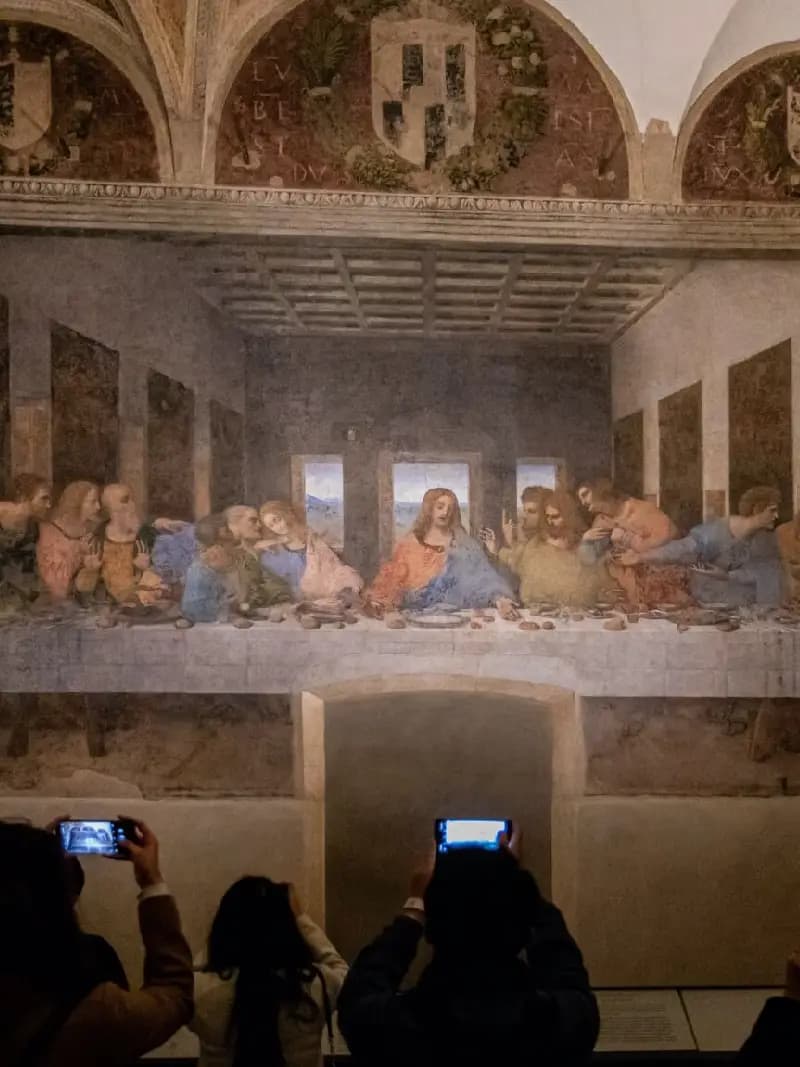
The Last Supper
Leonardo da Vinci’s The Last Supper is carefully preserved within the refectory of the Dominican convent of Santa Maria delle Grazie in Milan. Leonardo created this work of breathtaking beauty on the hall's north wall between 1494 and 1498, during the rule of Ludovico il Moro.
The brilliant Leonardo executed this masterpiece using the secco (dry) technique, rather than the fresco method typically employed for wall paintings.
Unfortunately, over time, environmental conditions and historical events have caused significant deterioration, leaving only parts of the work visible.
Numerous restoration projects have been carried out on The Last Supper; the 1999 restoration, in particular, succeeded in recovering the painting's original colors and removing previous overpainting.
To prevent further damage, the painting is kept in a controlled environment with specialized air treatment, and viewing is restricted to groups of no more than 25 people at a time, admitted every 15 minutes.
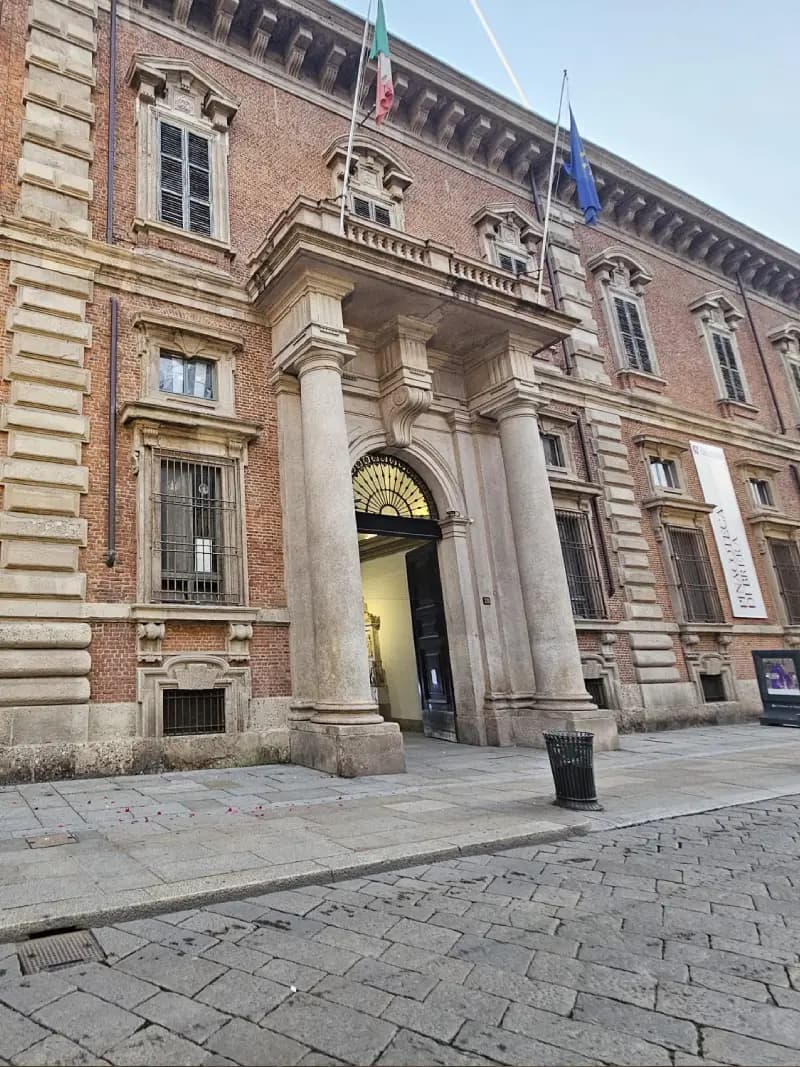
The Pinacoteca di Brera
The Pinacoteca di Brera was established in 1776 as a collection of significant artworks intended for the training of students at the Academy of Fine Arts.
When Napoleon proclaimed Milan the capital of the Kingdom of Italy, paintings confiscated from churches and aristocrats—specifically those not taken to Paris—arrived at Brera.
The Pinacoteca di Brera thus differs from other prestigious Italian museums; it did not originate from the private collections of aristocrats or princes, but rather from state and political initiatives.
The collection is incredibly rich, featuring some of the world's most famous works: from Caravaggio’s Supper at Emmaus to Mantegna’s Dead Christ, and from Piero della Francesca’s Brera Altarpiece to Raphael’s Marriage of the Virgin.
Alongside these famous masterpieces, there are many other exceptional works, even if they are less well-known. One of Brera’s icons is the quintessential Romantic painting: Hayez’s The Kiss. The collection extends into the 20th century with works by Braque, Modigliani, Picasso, Morandi, De Chirico, and many others.